

As a residential real estate owner, it is normal to have wear and tear on a property while tenants inhabit that property. Some examples of this may include discoloration of the paint, small nail holes from pictures that have been hung, door handles, and hinges that need to be adjusted and lubricated. That the kitchen burners are a little scratched and that you have to change a faucet because it is losing water. In general, there are tenants who are very careful and trying to take well care of the property when a tenant spent 2 or more years living there, there are things to repair that corresponds to the owner to fix.
Of course, there are cases in which there are tenants who are not careful and who cause serious damage and which can cost a lot of money to the owner to repair to leave the property in a condition to be able to rent it again.
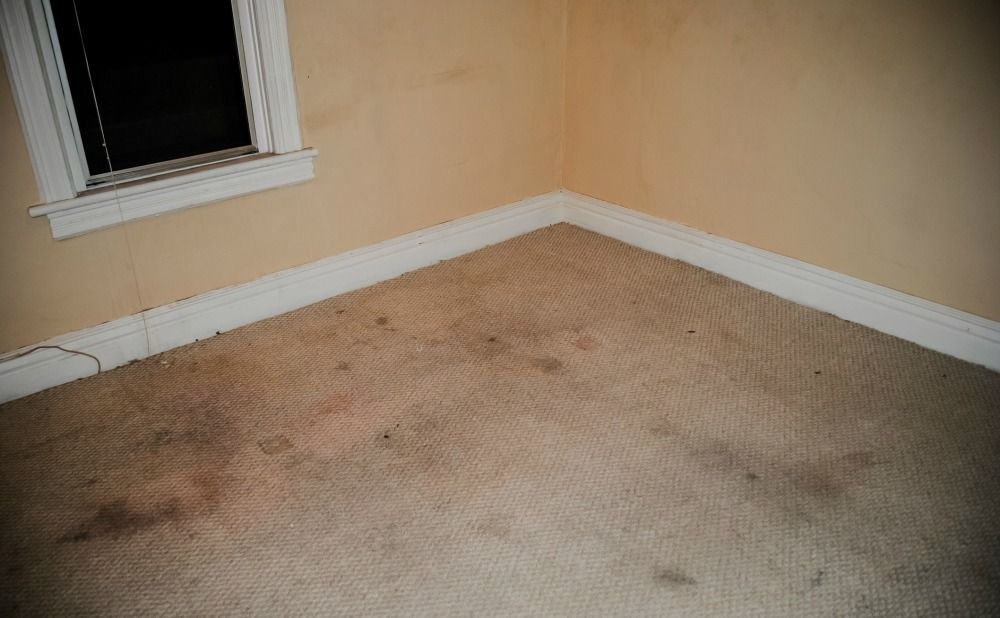
Common examples of tenant abuse, in general, are large holes in the walls due to TV wall mounts that have not been covered and/or painted, or shelves with anchors on the walls that were not present before renting and are left or removed by the tenant without repairing the walls. As a basic rule, the tenant must return in almost the same conditions as it was delivered, subtracting normal wear and tear, as I mentioned above. Another example is damage to doors or windows due to forced entry. Stained or burned rugs, that is not acceptable as normal wear. These are generally the result of carelessness, neglect, or even abuse by the tenant.
There is specific legislation on this subject is: Florida Statute 83.49 controls residential security deposits and a landlord’s obligations to protect and return that money to the tenant. If the landlord does not obey this law, then the tenant can sue the landlord in a Florida court of law. If the tenant wins, then the landlord will have to return the security deposit to the tenant, pay the tenant’s court costs, and pay the tenant’s legal fee. We suggest reading it in English. Here is the link to the Florida Statutes that regulate the relationship between Landlords and Tenants.
With a good property manager, all this can be avoided, only good experience on the subject is required.
Happy tenants, happy owners.